
Zoran Kanlić was a Sarajevo photographer who devoted his entire life to the camera and who, when the siege of his city began, made a deliberate choice that set his wartime work apart from almost everyone else's. Rather than chase the destruction and the casualties that filled the world's front pages, he went looking for the handful of cafés and clubs that somehow kept operating through the shelling, photographing the couples who still danced and the friends who still shared a cigarette and a coffee amid the ruins. He died in 2020 after a short illness, leaving behind an archive that remains one of the most distinctive visual testimonies of life and the loneliness beneath it, in besieged Sarajevo.
Born in 1954, Kanlić built a career in photography long before the war reshaped his city. He worked as a photographer for the Organizing Committee of the 1984 Sarajevo Winter Olympics, shot cover images for record albums, and collaborated with the German photo agency Bus. He later served as unit photographer on Ademir Kenović's acclaimed film Savršeni krug (The Perfect Circle), and was among the first photojournalists to shoot for the independent magazines Slobodna Bosna and Dani. As the official photographer of Kamerni teatar 55, he documented most of the theatre's major wartime productions a record of a cultural life that refused to go dark even as the city around it burned.
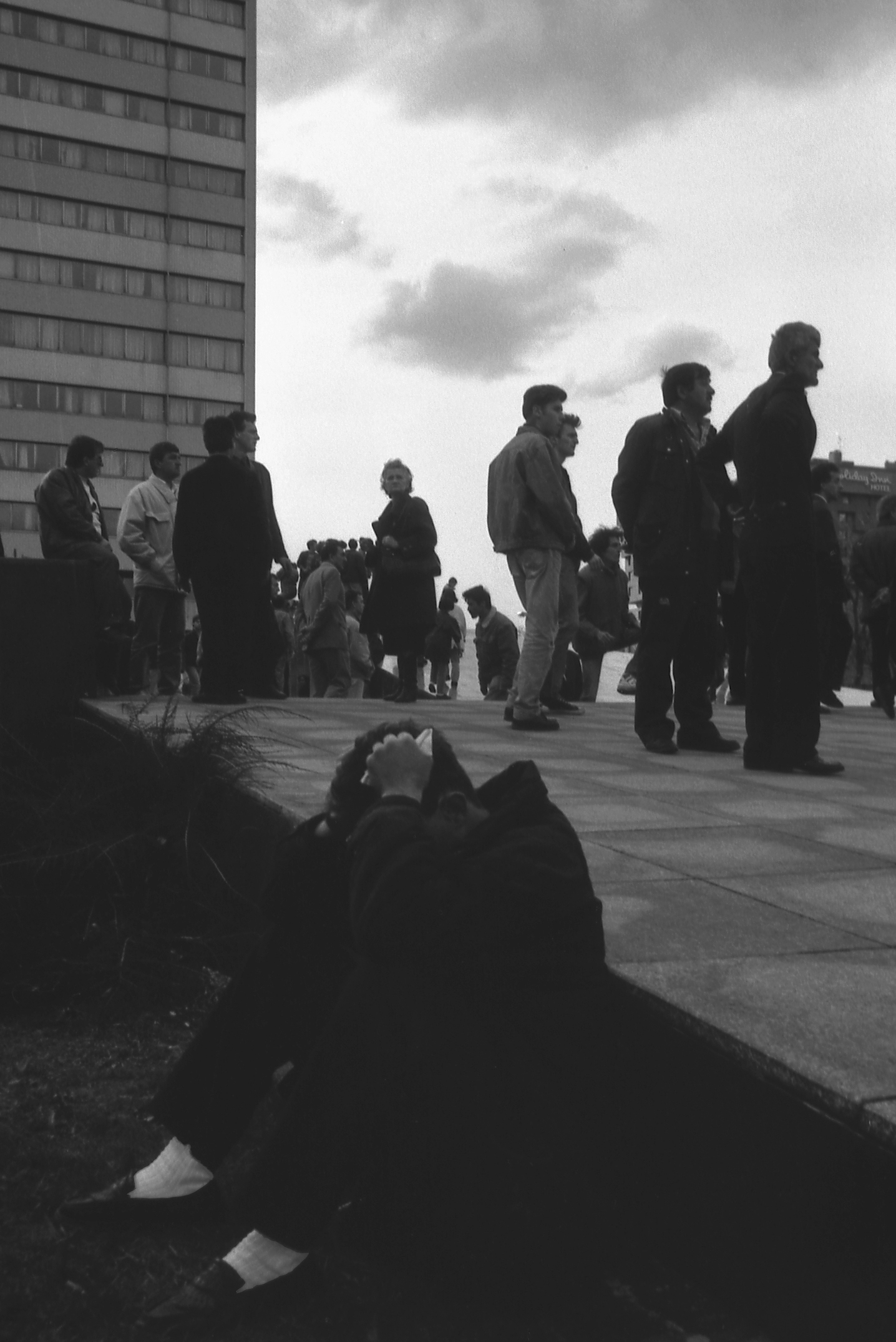 Start of the Sarajevo Siege, 6 April 1992, photo by Zoran Kanlić
When the siege began in April 1992, Kanlić was acutely aware that most images coming out of Sarajevo would show blood, rubble and suffering. He chose a different subject: people he knew from "normal" life, caught in the act of refusing to let the war take everything from them. The black-and-white photographs that resulted, later exhibited as 'Escape from Reality — Sarajevo 1992–95' and Ratni portreti Sarajeva (War Portraits of Sarajevo) became known for an unflinching honesty about despair, loneliness and emptiness hidden just beneath a surface of everyday resilience.
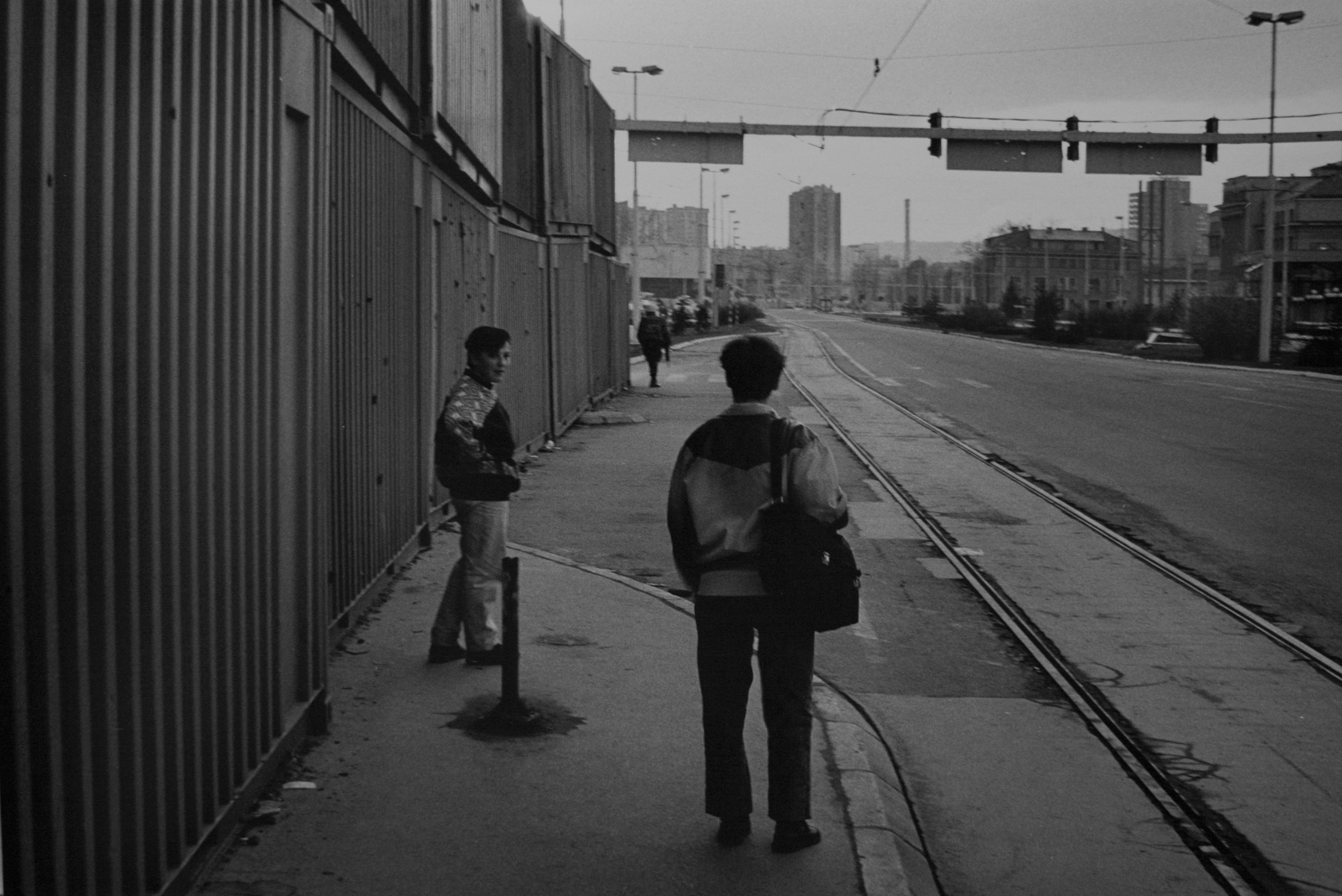 Sniper Alley in Sarajevo, photo by Zoran Kanlić
"The black-and-white technique, which he perhaps used more out of necessity and only then as a preferred choice, perfectly suits the mood. Given that all these photographs were made in a wartime environment, shot in minimal available light, sometimes deliberately soft-focus and low-contrast, they speak to Kanlić's ability to turn apparent technical imperfection into a perfected depiction of the atmosphere of a war-damaged city and the daily life of its unfortunate citizens."
— Zoran Lešić, photographer and curator
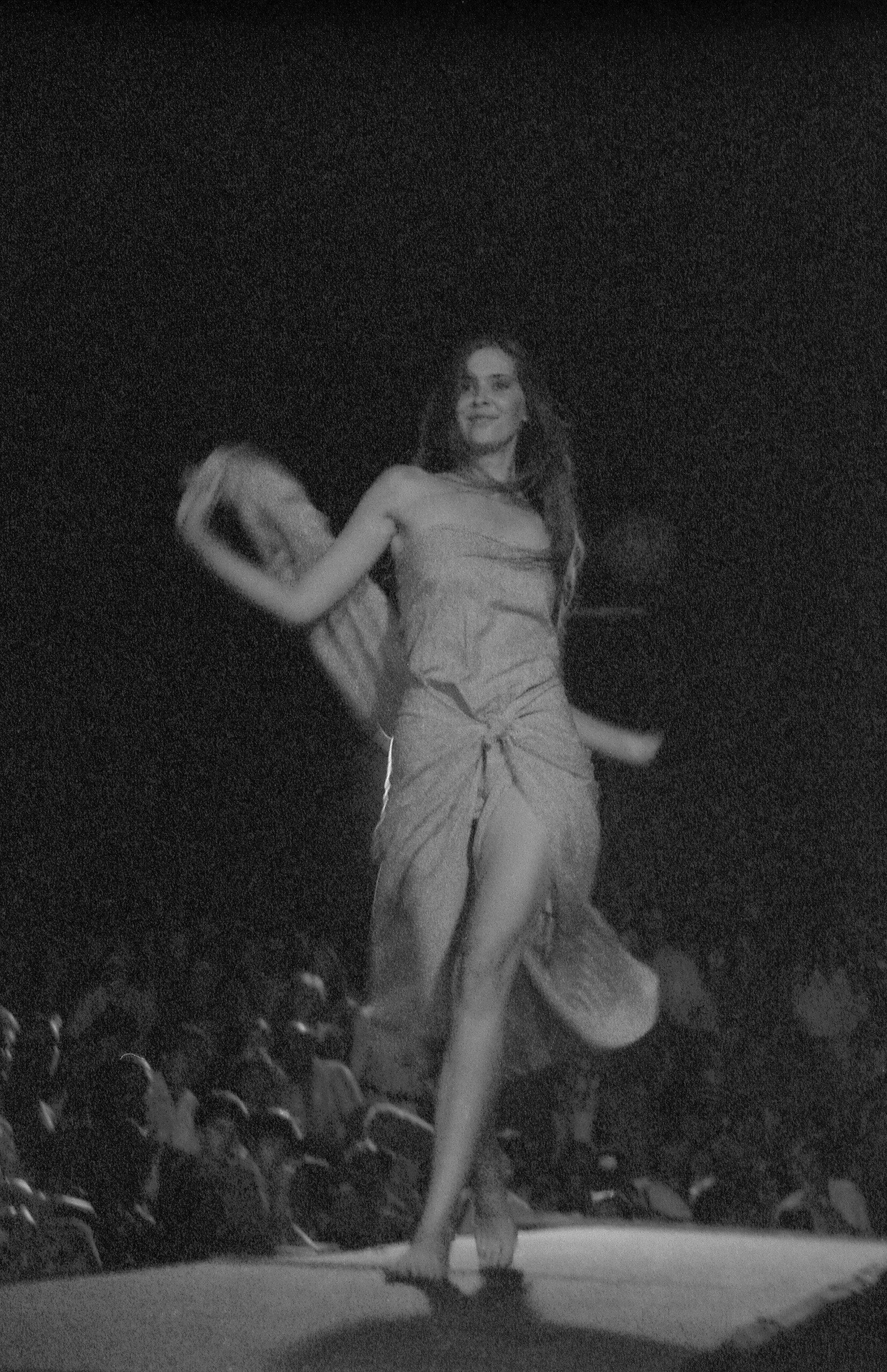 Fashion Show during the Siege of Sarajevo, photo by Zoran Kanlic
With no electricity, no running water and no commercial darkroom supplies, Kanlić developed and printed his wartime negatives by hand in a makeshift laboratory set up inside his own apartment. His son, Bojan Kanlić, later recalled watching the process as a child, fascinated by images materializing out of the dark in the middle of a war that had taken away almost everything else.
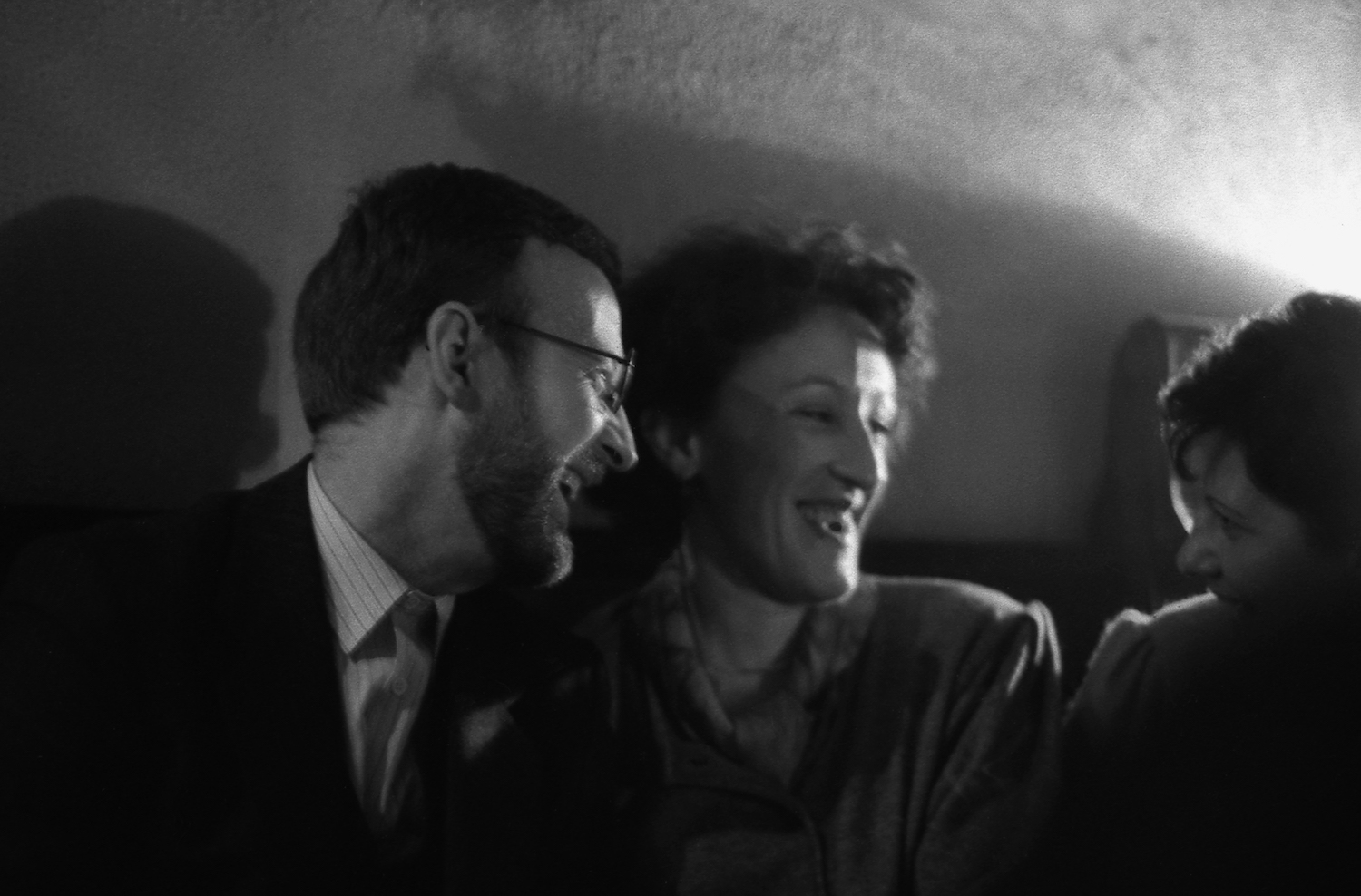
"I witnessed that whole process as a kid and I remember the entire process of creation and how the pictures came out."
— Bojan Kanlić, his son
Photographer Dženat Dreković, a close colleague who worked alongside him, remembered Kanlić as a man whose character was inseparable from the images he made.
"Photography is subversive not when it terrifies and stigmatizes, but when it is thought-provoking and spiritual. This is what Zoran Kanlić achieved with his photographs. They reveal the emotions of people who lived through the war more than any photograph I have seen in my life and I have seen a great many related to the war. He was a good photographer, a good human being and a top-class master and lab technician."
— Dženat Dreković, photographer
Kanlić's most historically singular wartime assignment came on the night of 20–21 November 1995, when the Slovenian art collective Neue Slowenische Kunst and its band Laibach travelled to besieged Sarajevo to perform at the National Theatre, declaring the city a "territory of the NSK State" and issuing passports to its citizens — an almost surreal eruption of art into a city still under siege, staged just as the Dayton Peace Agreement was being finalized hundreds of kilometres away. Kanlić was the only photographer present that night, and his images remain the sole visual record of the event, later exhibited as NSK State Sarajevo at the History Museum of Bosnia and Herzegovina. He recalled the evening with characteristic understatement.
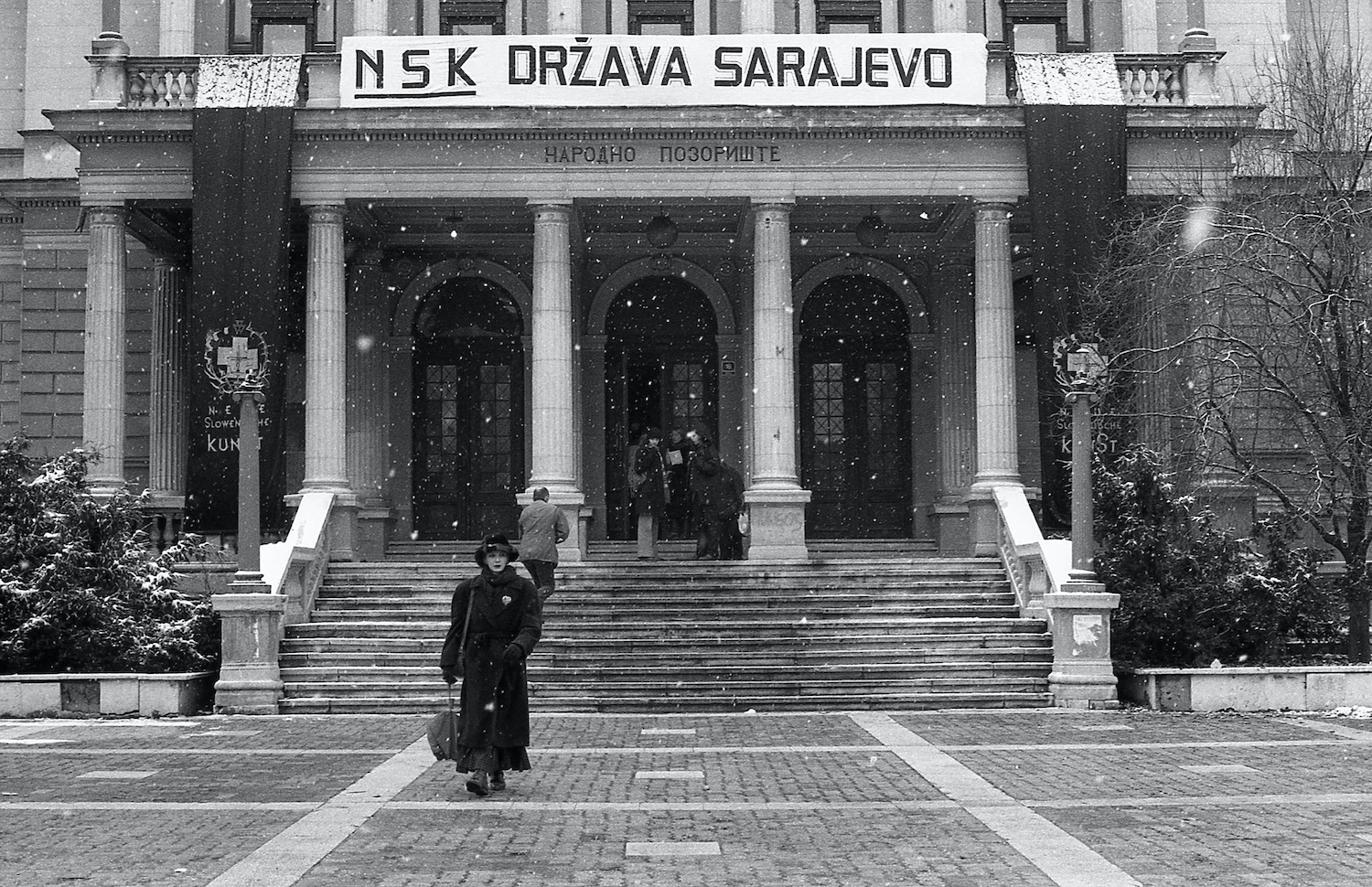
"It was as if the Martians had landed in the city after all the horrors we had experienced."
— Zoran Kanlić, on the NSK State event, November 1995
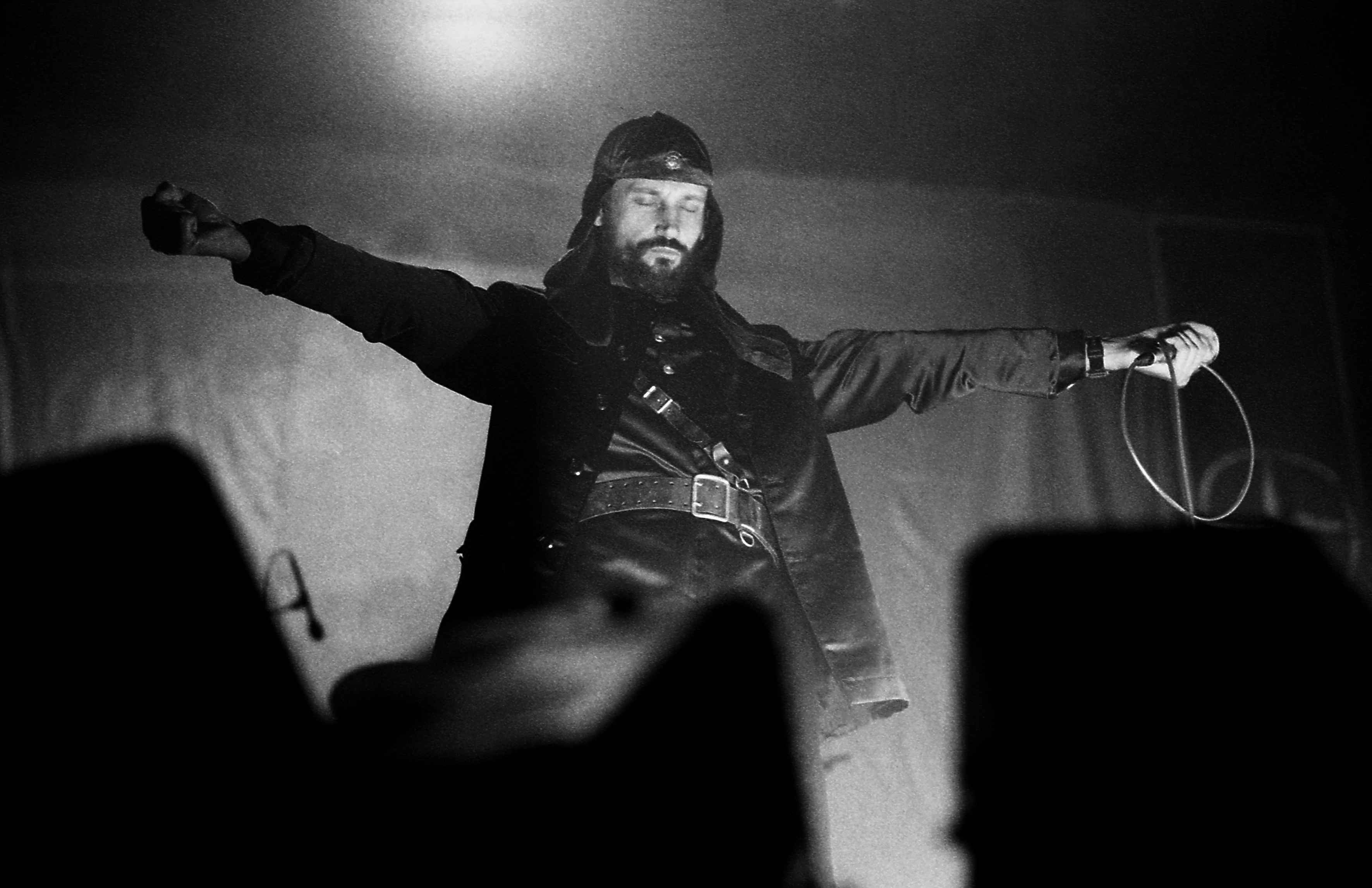 Laibach performed two concerts at the National Theatre in Sarajevo
on November 20 and 21, 1995, photo by Zoran Kanlić
A member of ULUPUBiH, the Association of Fine Arts Applied Artists and Designers of Bosnia and Herzegovina, Kanlić mounted numerous solo exhibitions of his wartime work in Sarajevo and across Europe, with his images also screened in the Netherlands as part of the Eastern Neighbor Film Festival. The writer and poet Faruk Šehić, who wrote about Kanlić's archive, captured what made his wartime presence behind the camera so singular.
"I try to imagine what it was like to be a photographer in besieged Sarajevo. Walking around with a camera, recording moments that stubbornly keep disappearing. And again I see the image of Zoran Kanlić in his army fatigues, crouching invisibly by a tree, waiting to catch the smile of a woman running across a sniper crossing. Maybe that is exactly how a photographer in besieged Sarajevo should look, from my imagination. Calm and unnoticed amid the complete horror of war."
— Faruk Šehić, writer
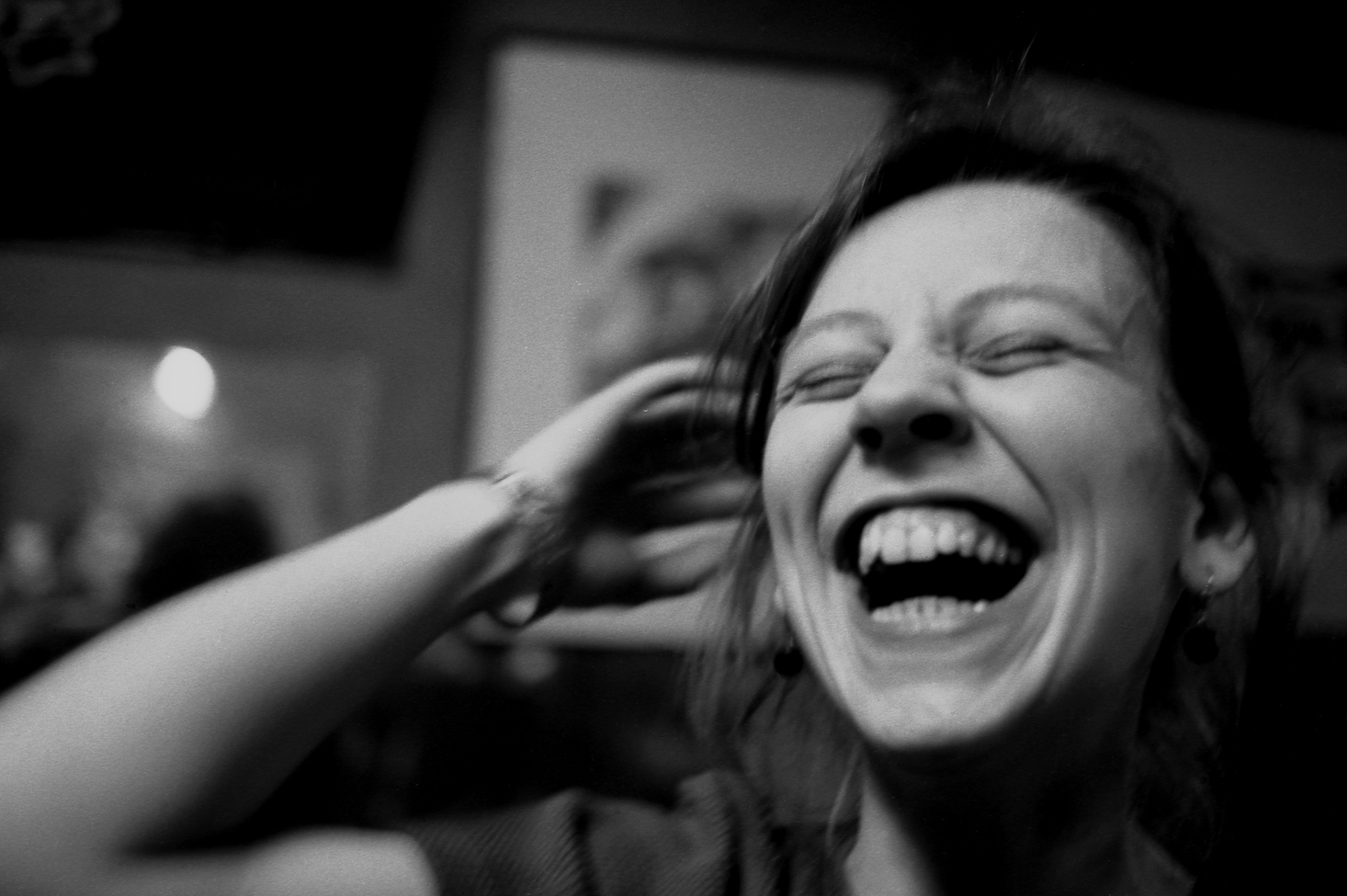 Years later, reflecting on Kanlić's archive, Šehić put the images in an even sharper light, not as a record of suffering alone but of something the city has since lost.
"When I look at Zoran 'Zoka' Kanlić's war photographs, I find more happy, smiling people there than in Sarajevo today. I see more love, satisfaction, eros, drive, optimism and trust in the future."
— Faruk Šehić, writer
His photographs of Sarajevo's wounded Austro-Hungarian and modernist architecture — including Ivan Štraus's shelled Elektroprivreda headquarters have since become part of the historical record relied upon by architects and researchers studying the destruction of the city during the siege.
After the war, Kanlić found a quieter outlet for his craft, becoming the longtime official photographer of golf in Sarajevo for nearly two decades, covering every Masters and ProAm tournament played in the city without ever once drawing a complaint from a player he had to dodge on the fairway. Alongside photography, he devoted himself to teaching mathematics and physics to young people, a second, equally quiet dedication. Those who knew him in these later years remembered him simply as "Zoka": tihi, skromni i omiljeni — quiet, modest and well-loved.
Zoran Kanlić died on 31 July 2020 following a short illness. His war portraits of Sarajevo have continued to be exhibited since his death, most recently at the ULUPUBiH Gallery and at Galerija Zvono, where friends and colleagues, including Zoran Lešić, reopened his archive to new audiences. They remain, a generation later, among the most honest and least seen photographs of what the siege could not take away from the people of Sarajevo.
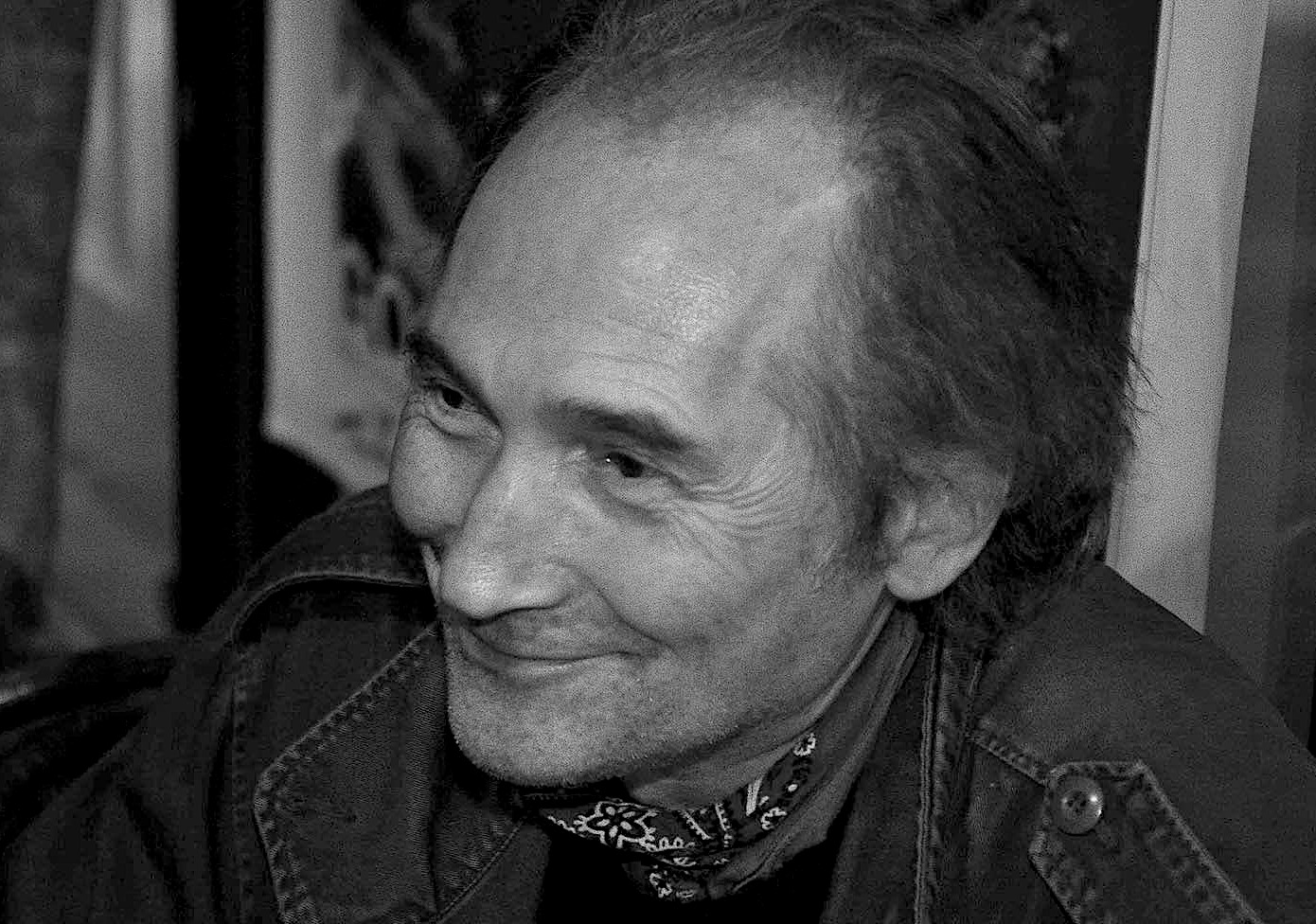
ZORAN KANLIĆ was born in 1954 in Sarajevo, Bosnia and Herzegovina.
He died on 31 July 2020, following a short illness.
__
Special Thanks to Bojan Kanlić
Thanks to Zoran Lešić, Dženat Dreković and Faruk Šehić